

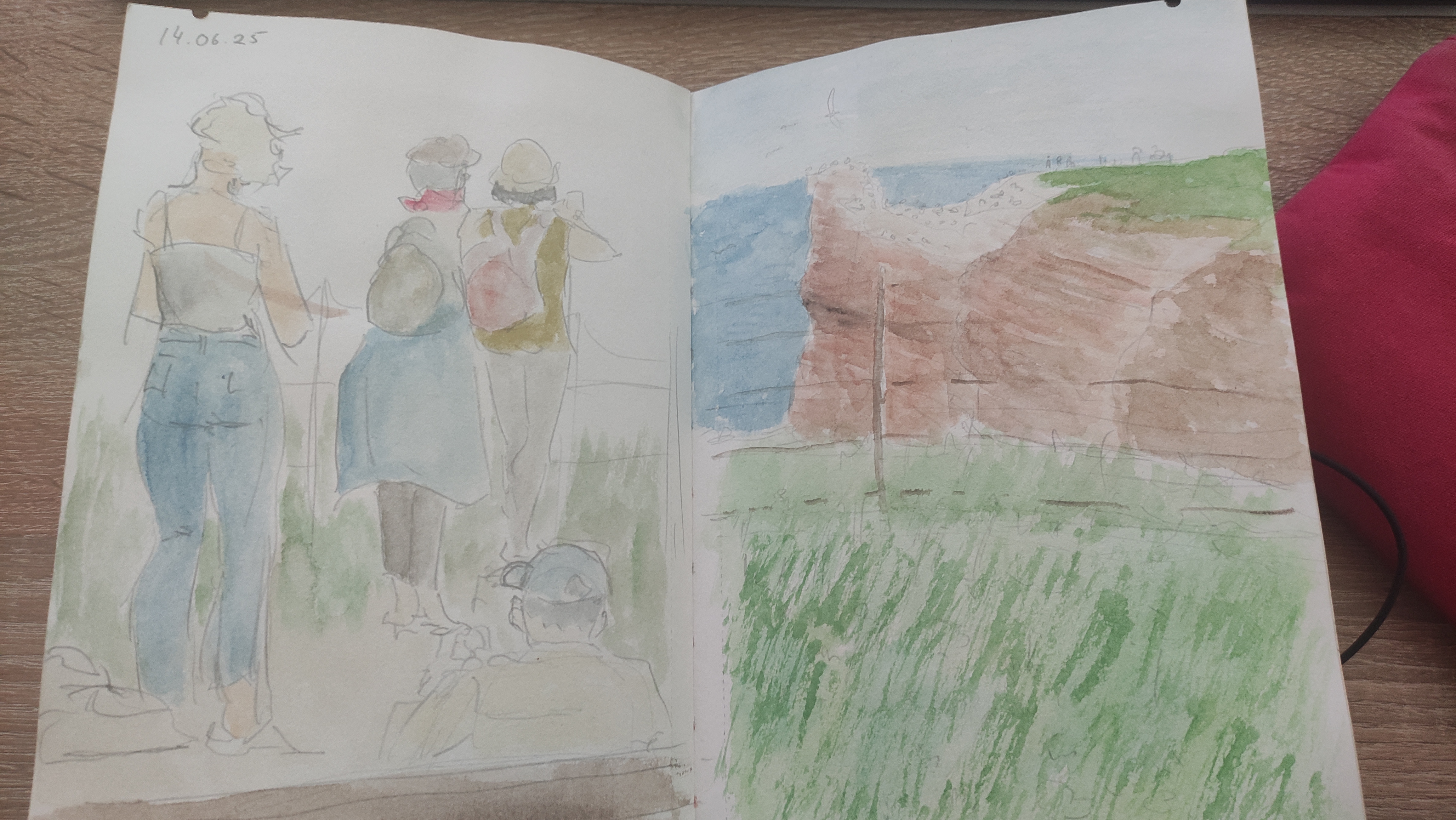
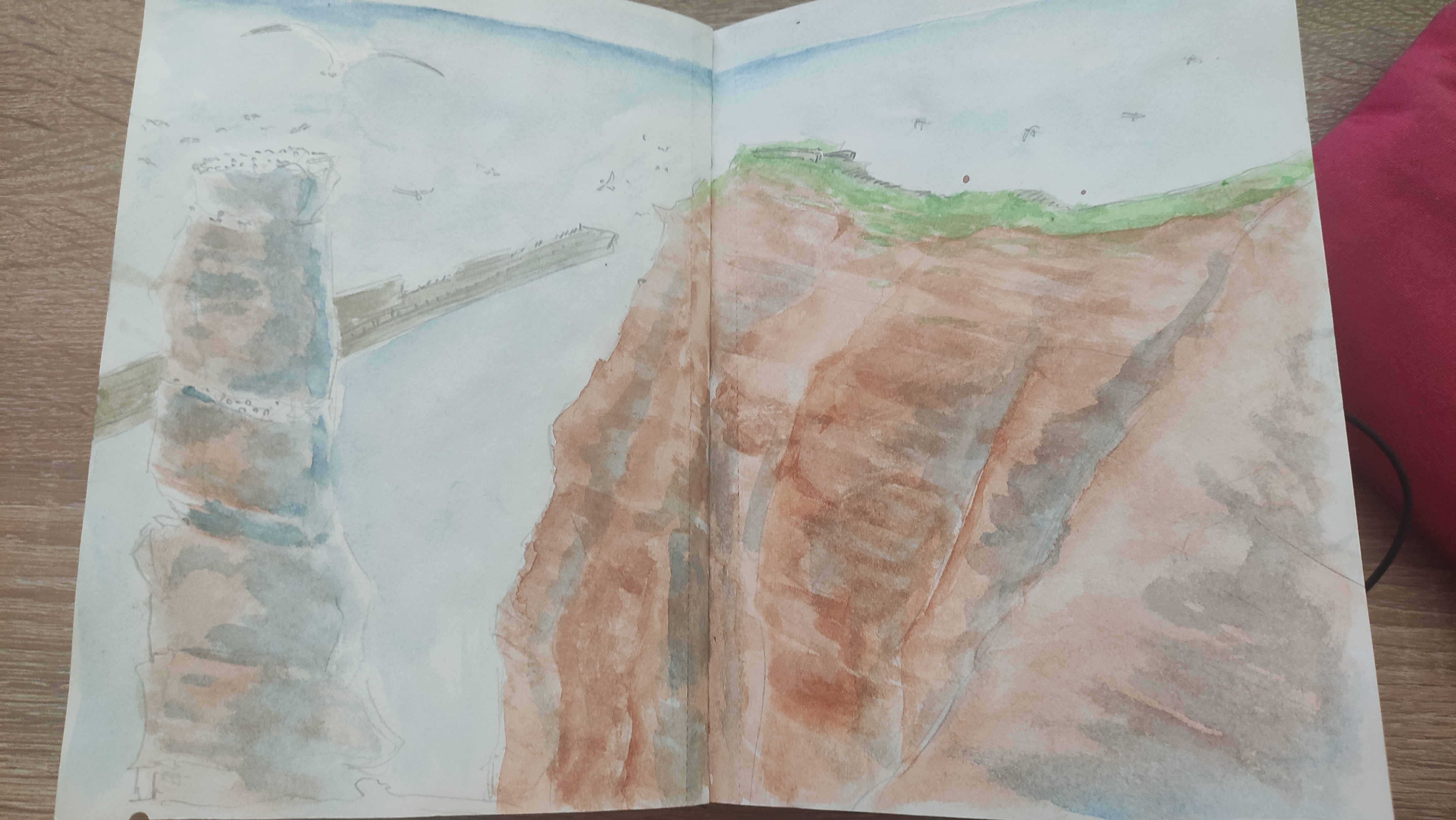
In my blog series “Travel & Draw” I’m writing about some trips I did, accompanied by some of my drawings.
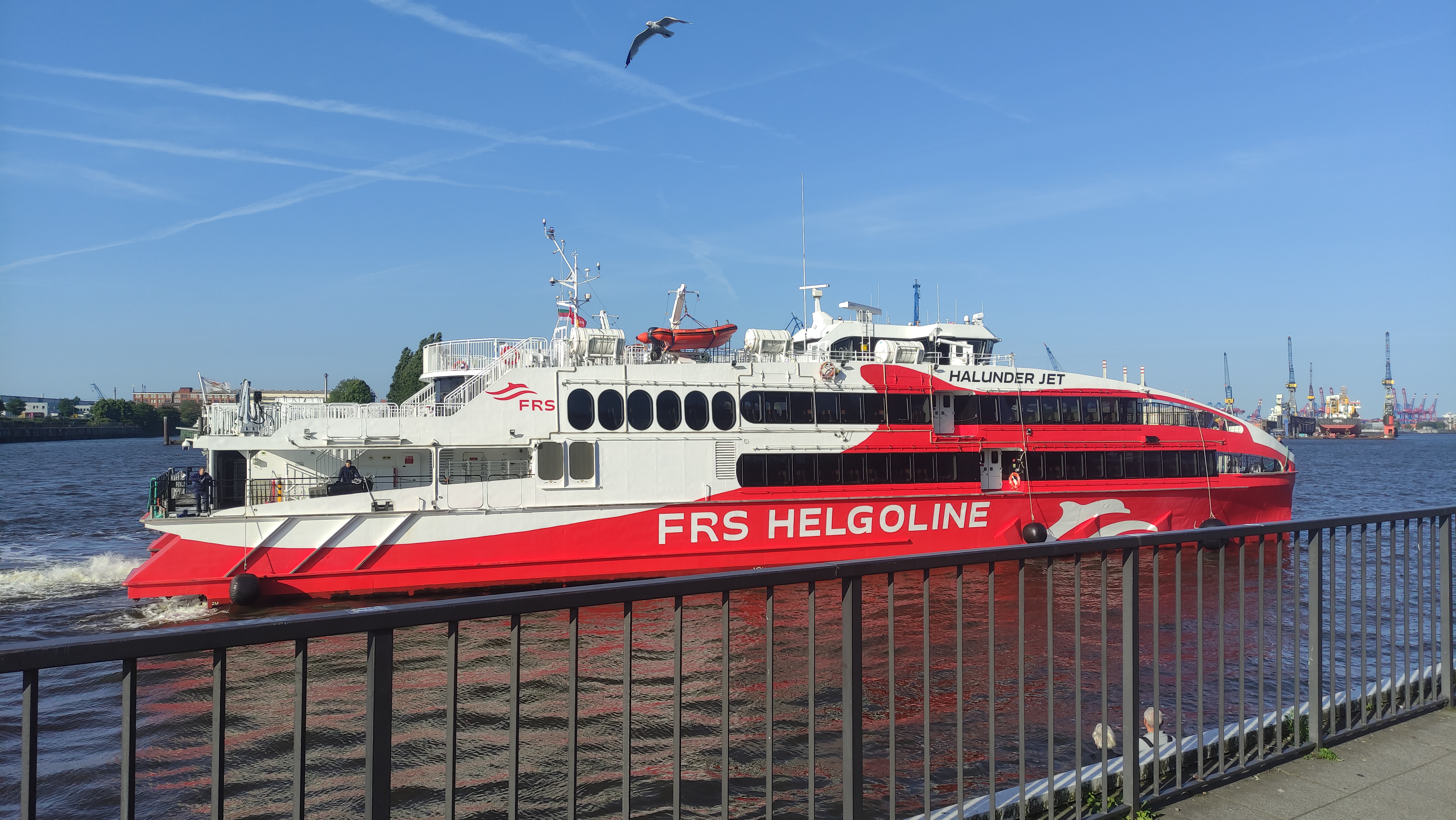
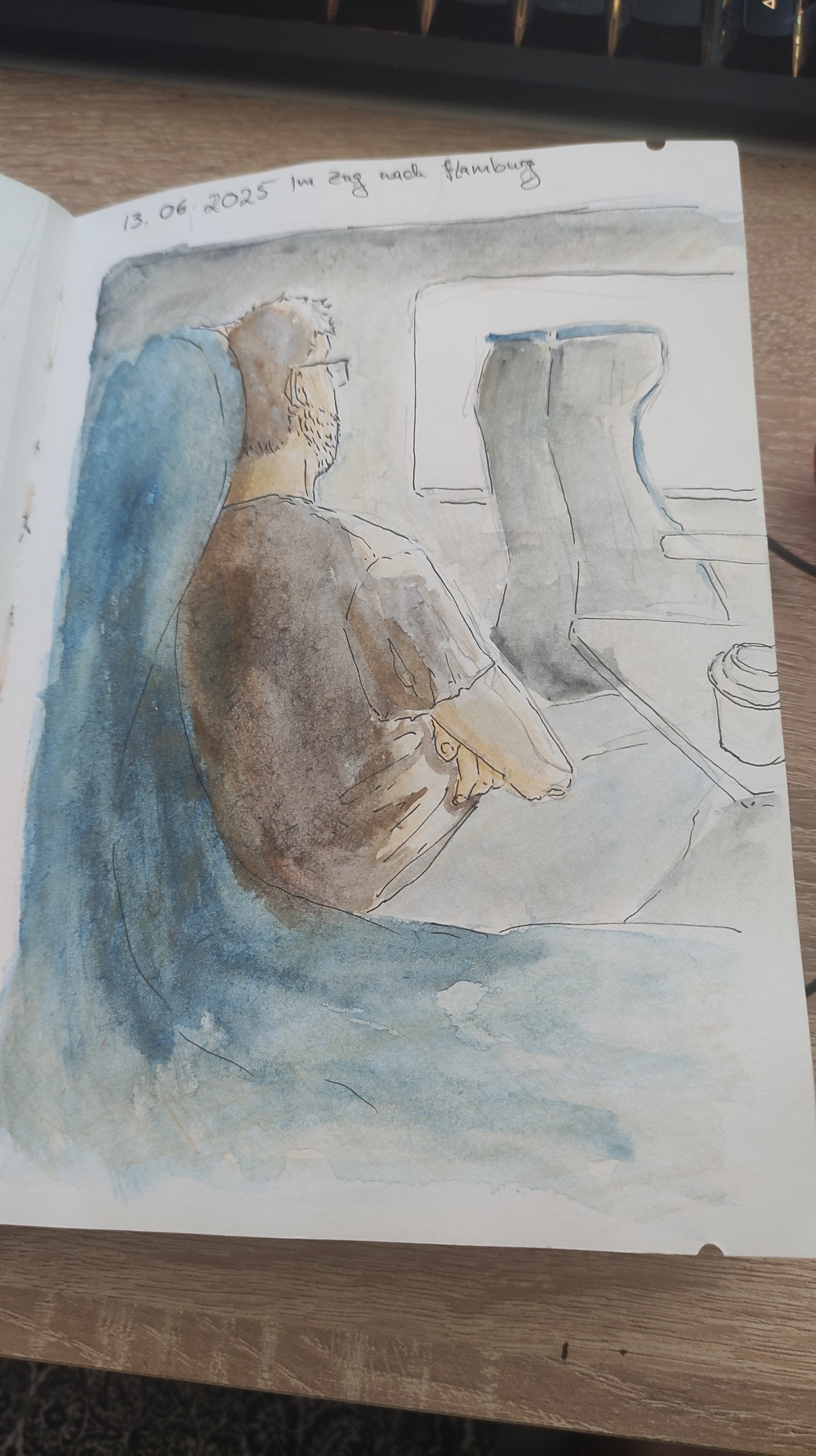
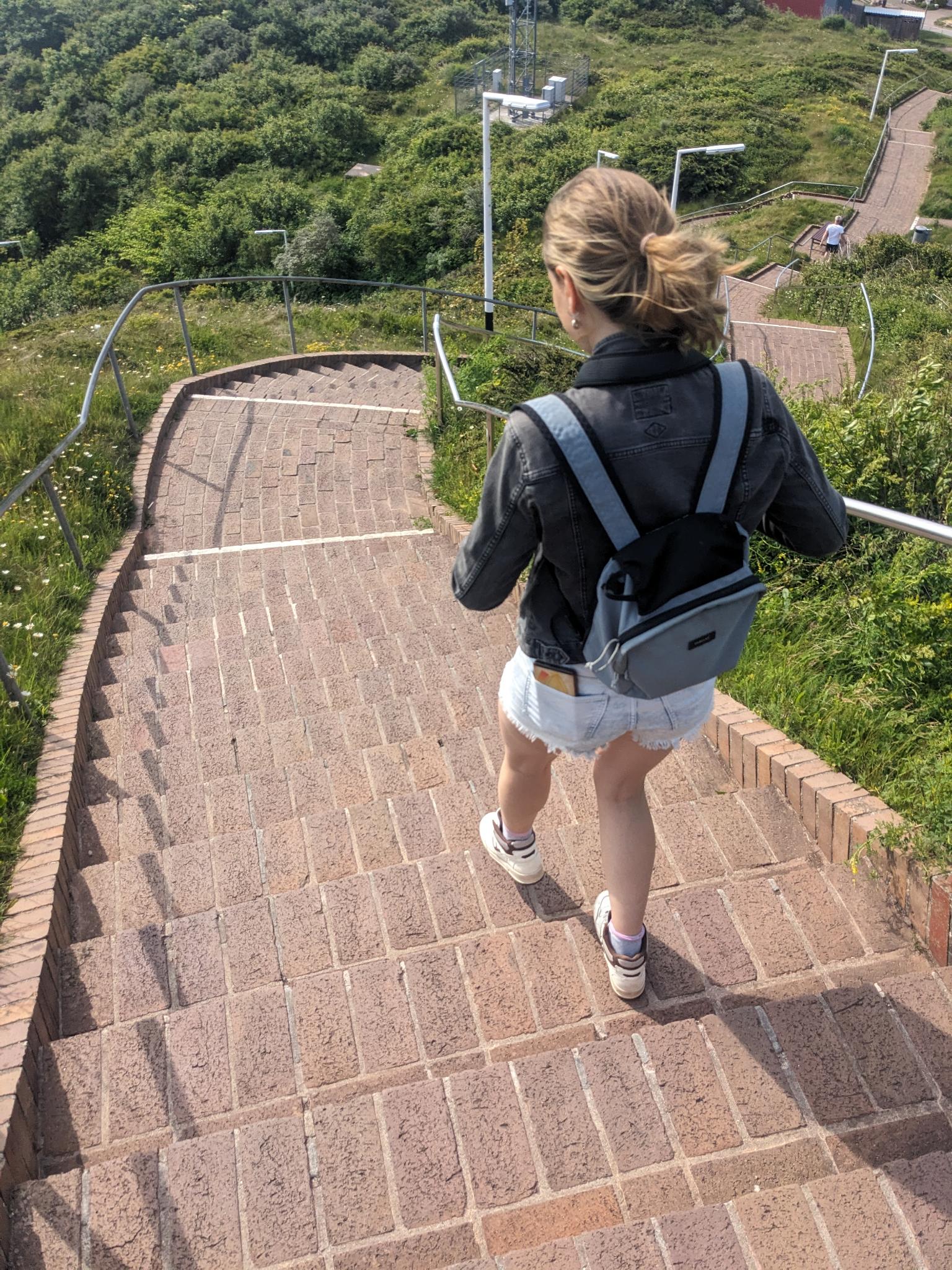
In June 2025, I went for a little vacation of five days with my boyfriend to Helgoland, Germany’s only deep-sea island! We went to the island by ferry, and it was a very pleasant journey. I didn’t get seasick even though I’m normally very sensitive to this.

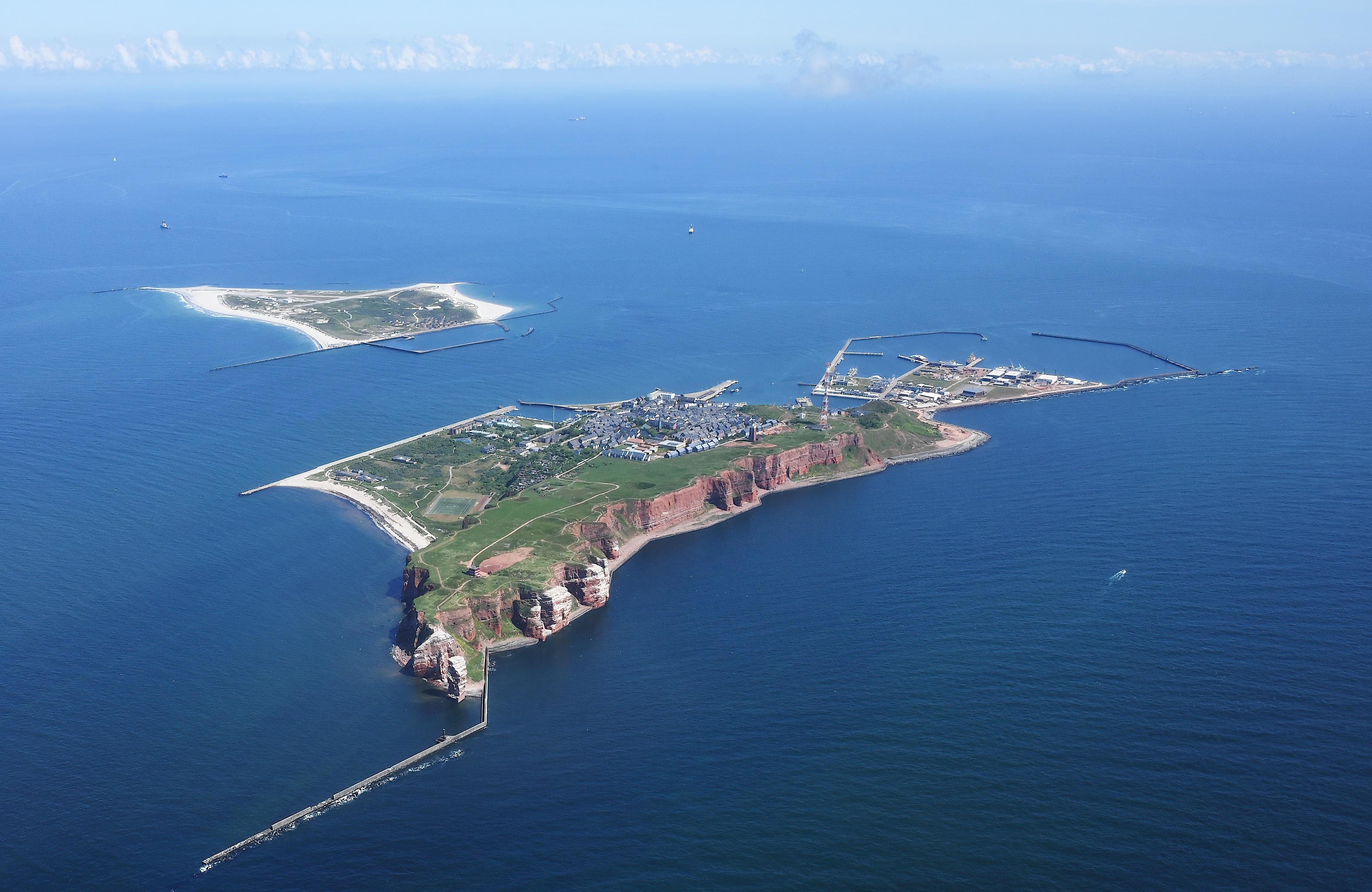
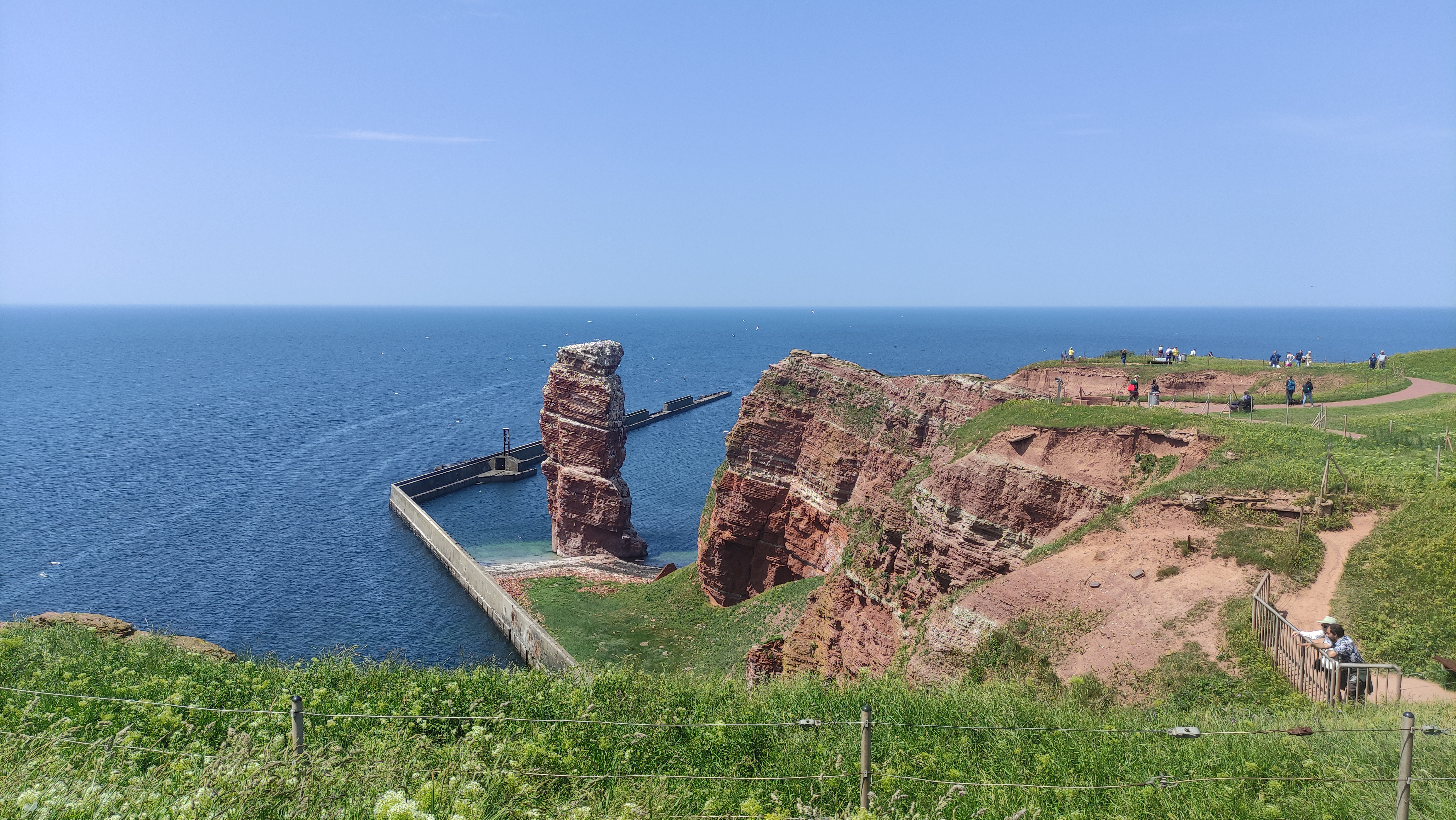
About 60 km from the German mainland, a huge red sandstone rock juts 61 meters out of the North Sea. Surrounded by thousands of seabirds, you can watch seals and grey seals up close, shop duty-free between traditional lobster stalls and enjoy unique sunsets. Welcome to Helgoland!
https://entdecke-deutschland.de/en/bundeslaender/schleswig-holstein/helgoland-germanys-high-island/
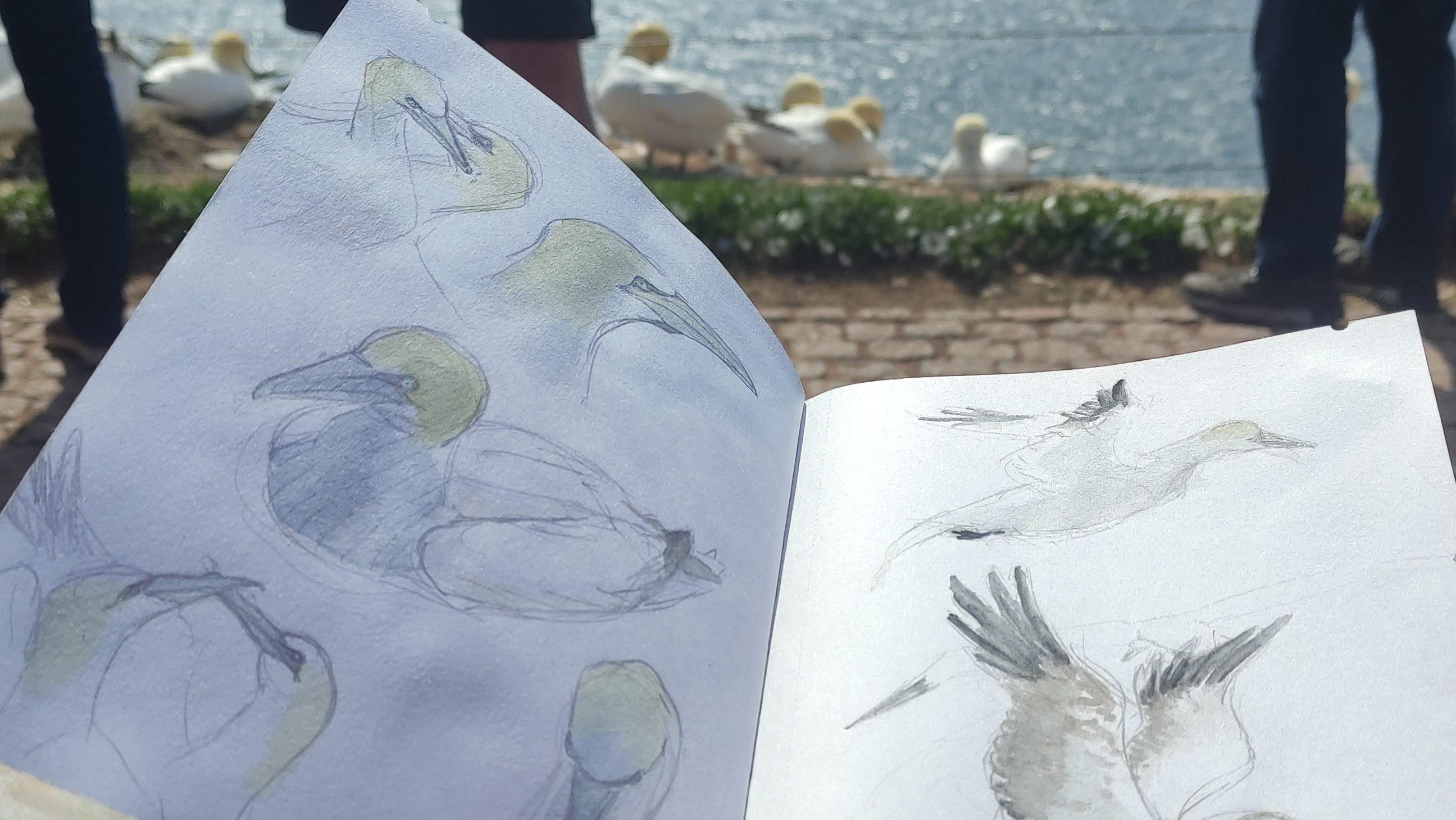
I was super excited for this trip, which I wanted to do for a long time! Back at my university time, I did some research on Northern Gannets and Helgoland. I worked on an educational game concept and chose the subject of plastic pollution. The gannets are an example of the sad outcome of plastic in the sea since they are building their nests with plastic nets and strings they find off- and onshore. These strings are so tear-resistant that the birds strangle and hang themself when they get stuck in them. Actually, a very sad topic, but sea scientists and volunteers are working on a solution. There are a couple of reasons why taking the plastic out of their nests won’t work. You can book a guided tour from “Verein Jordsand” when visiting Helgoland. I can totally recommend the tour – I learned a lot about the birds here.
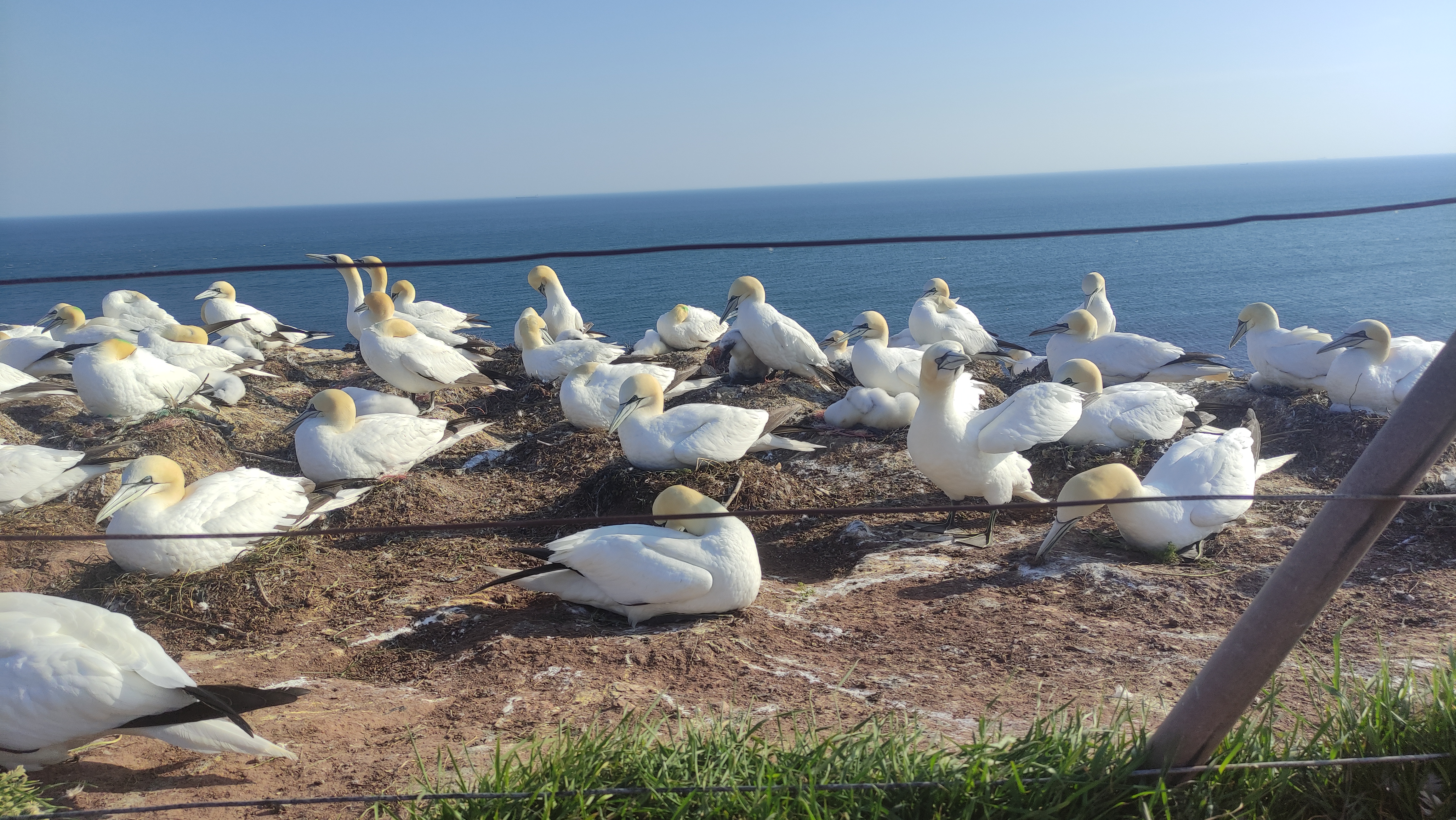
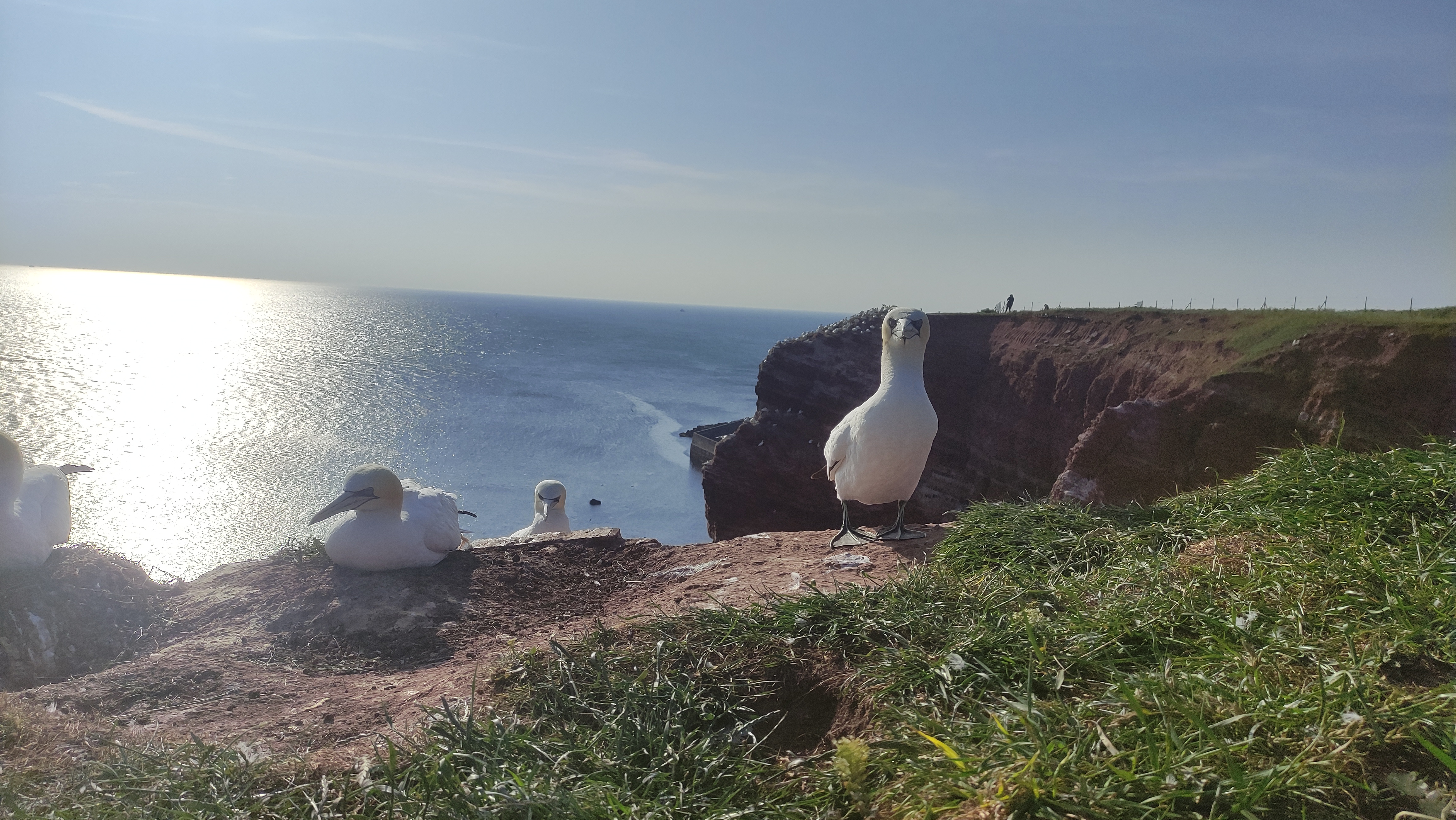


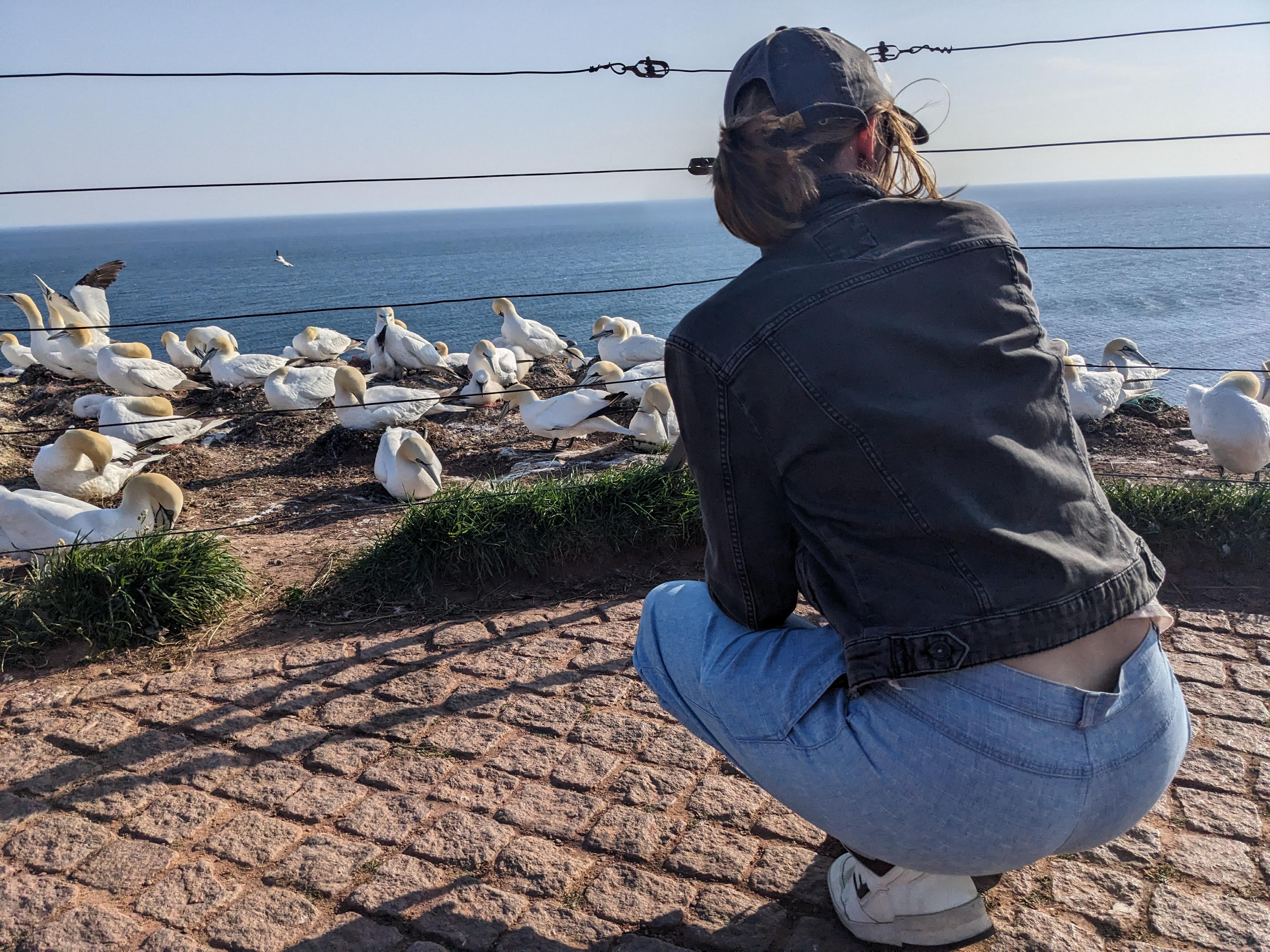
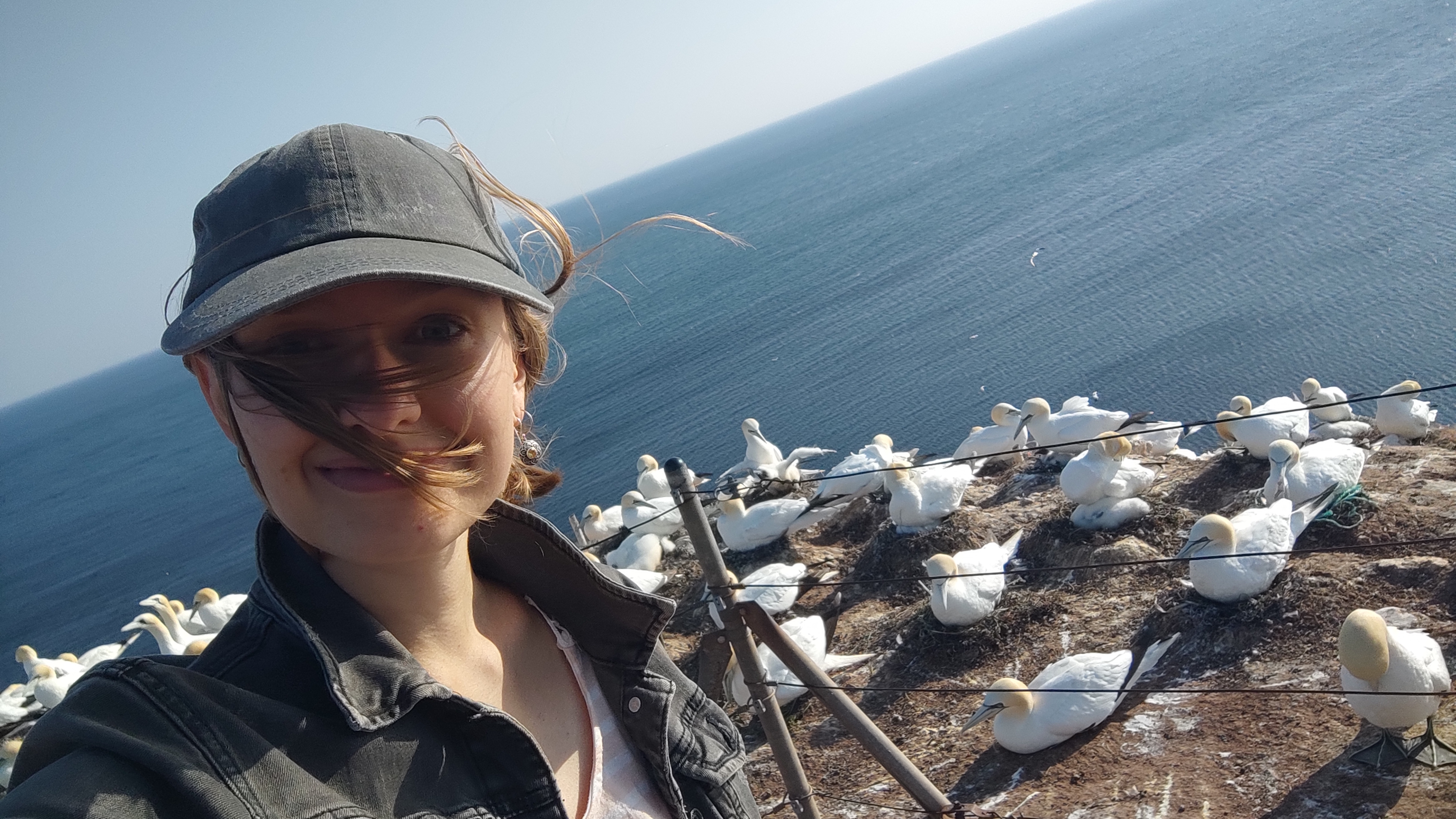
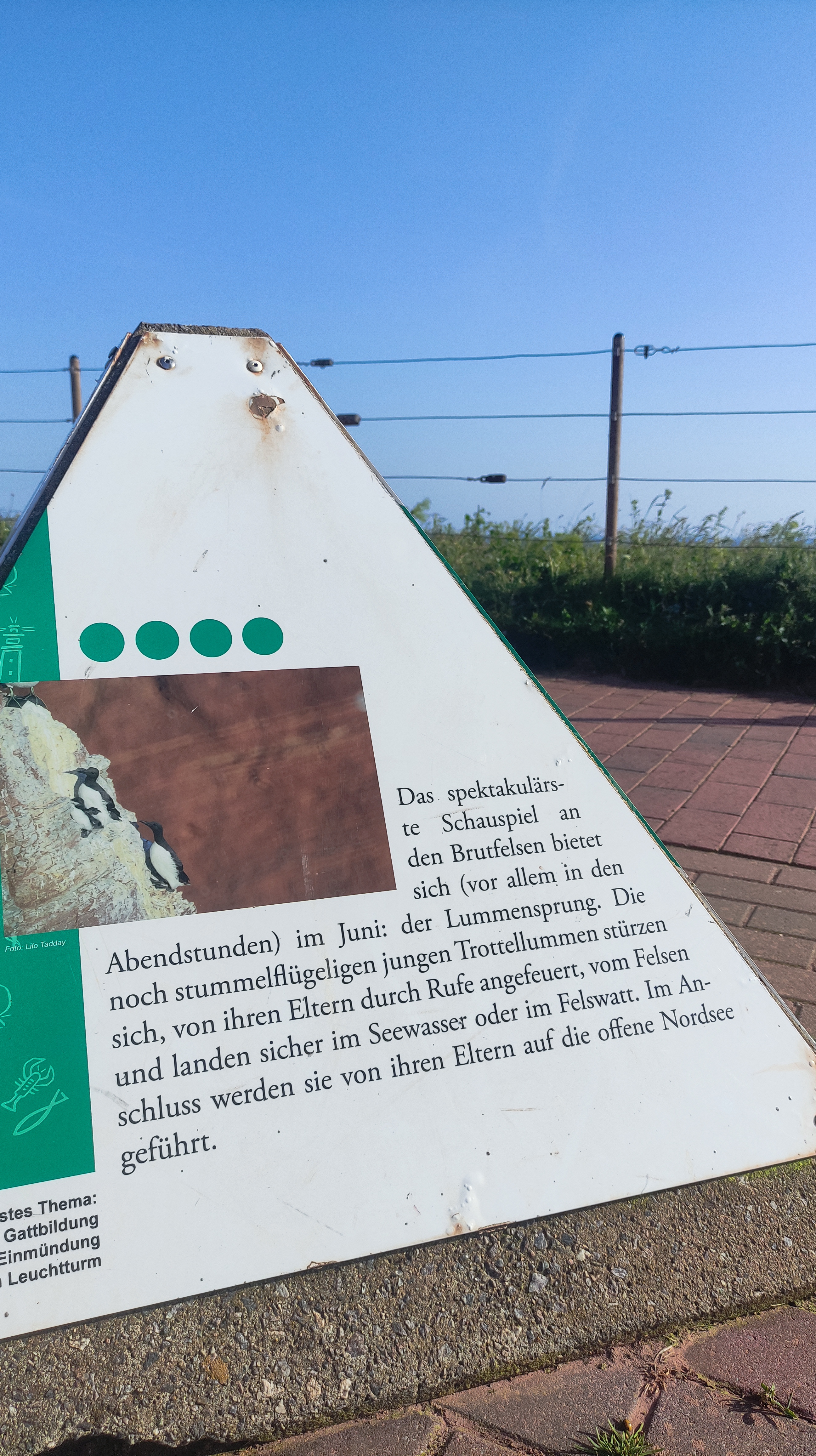
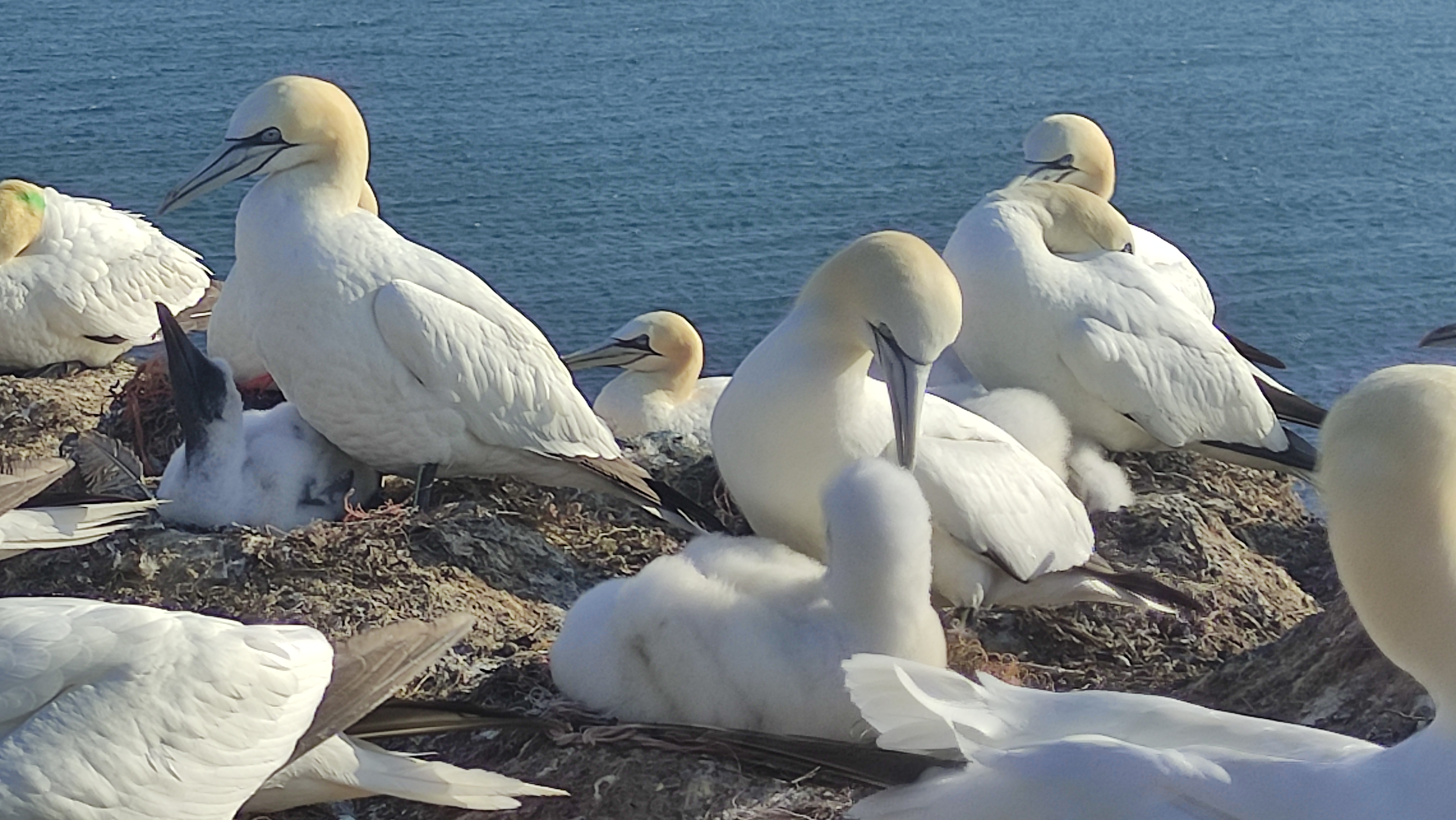
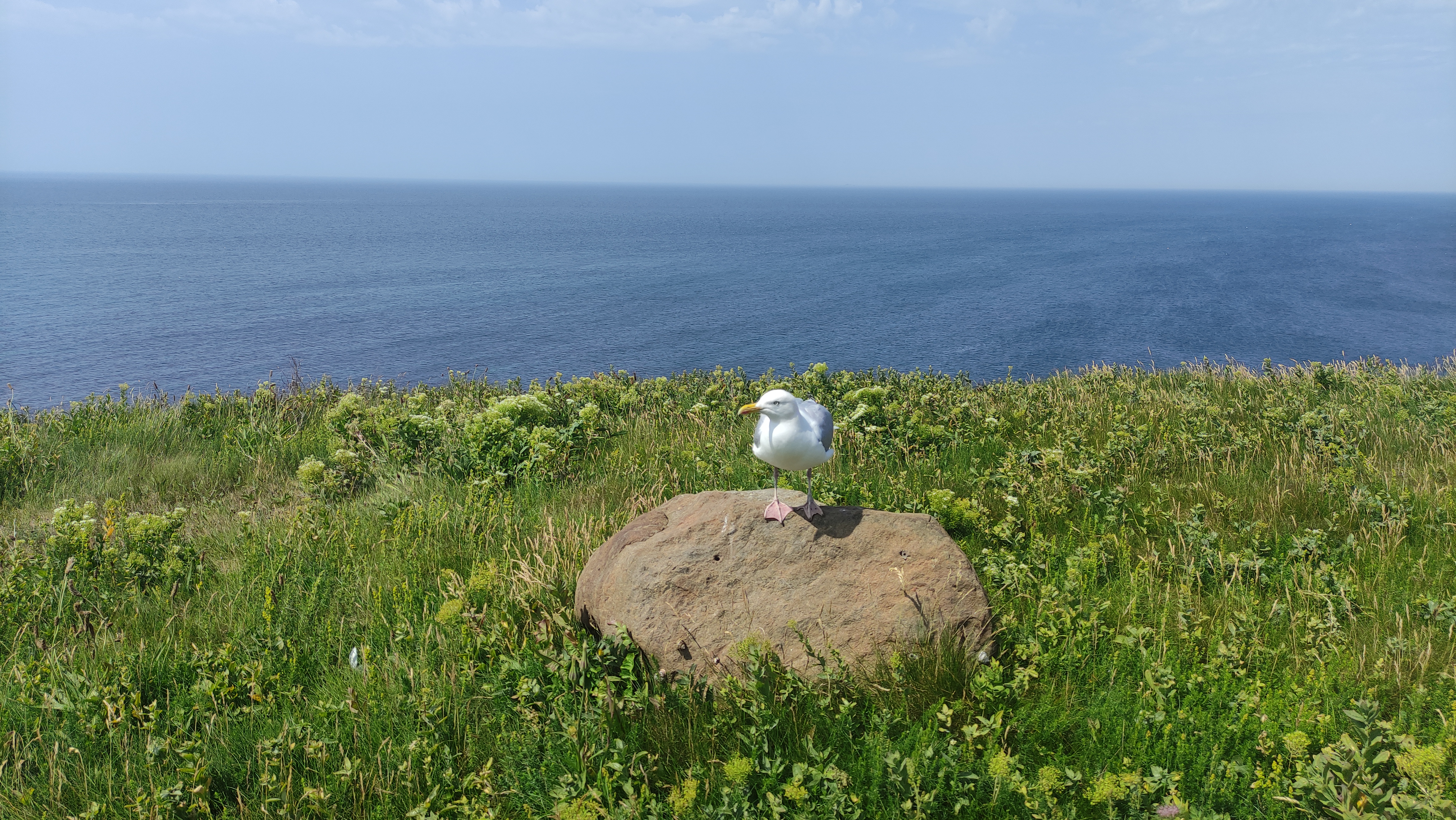
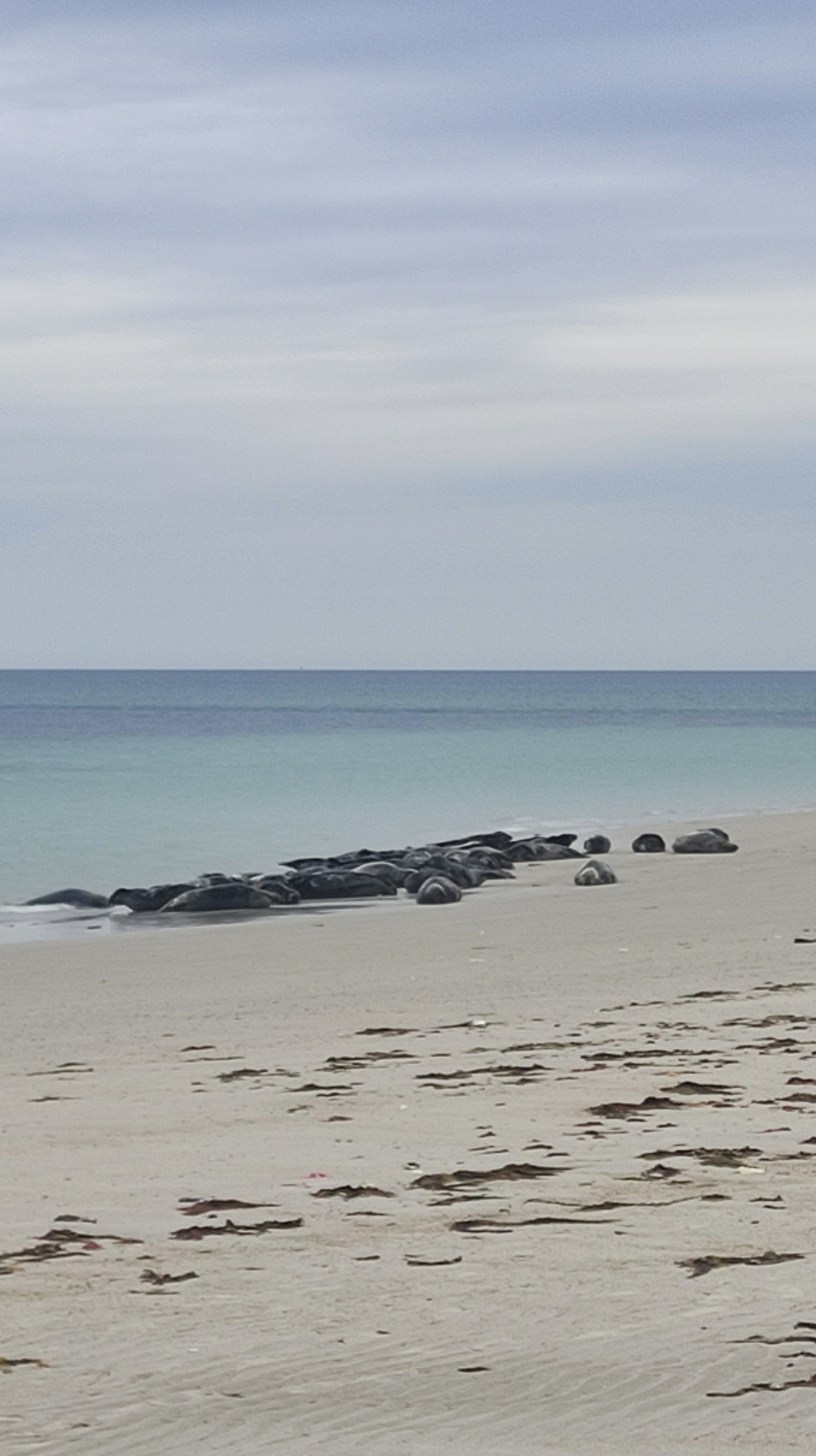
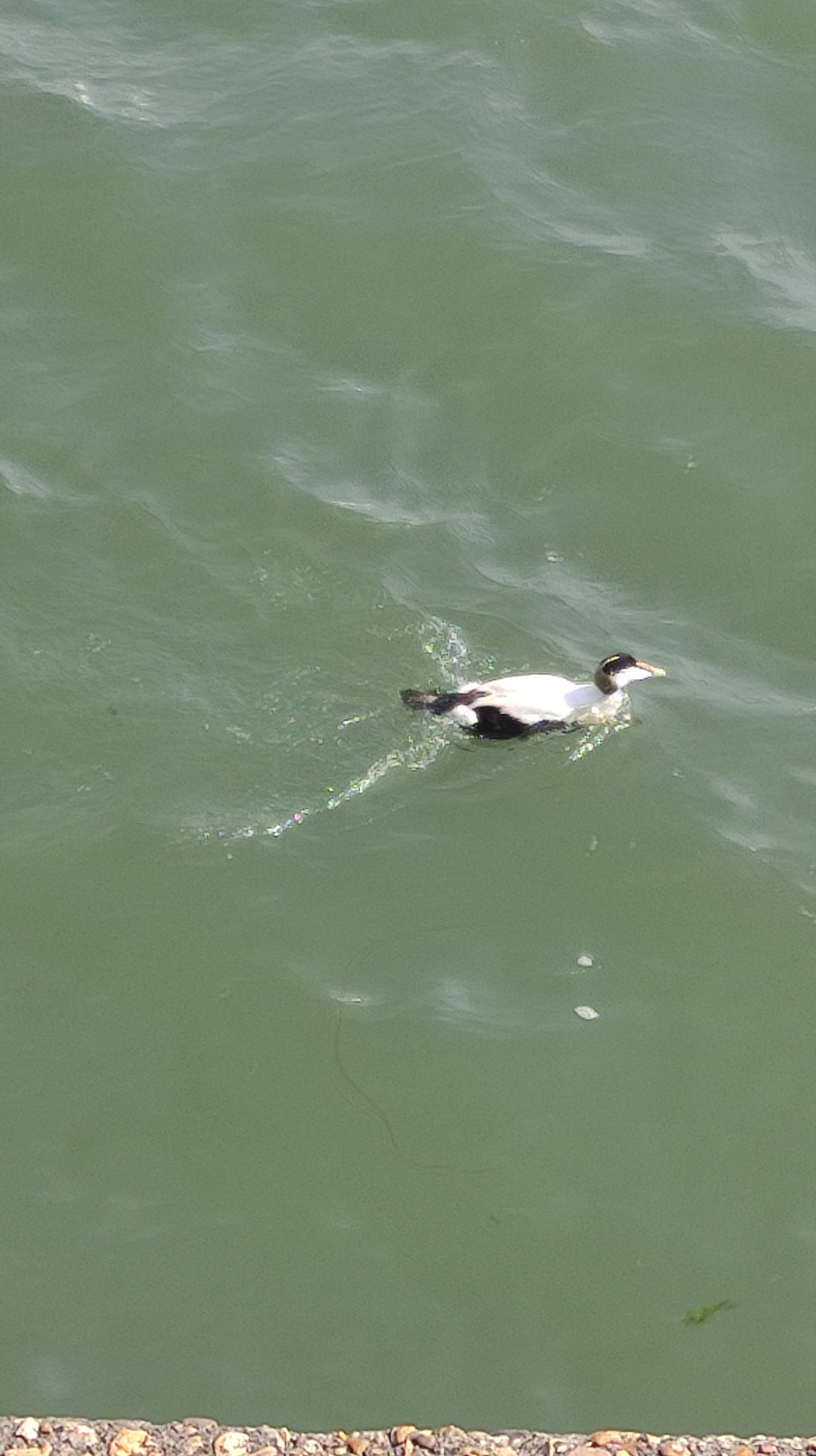
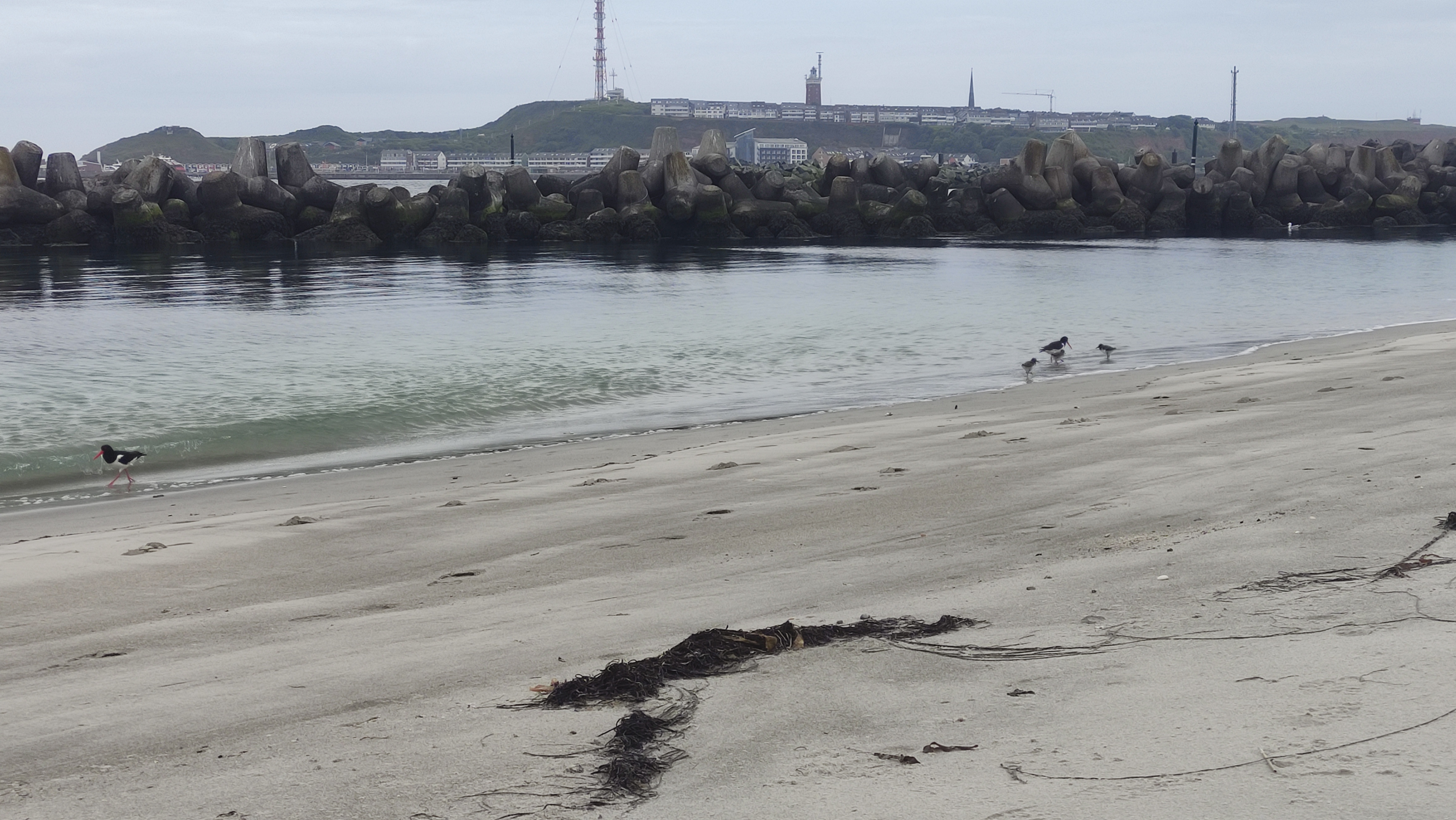
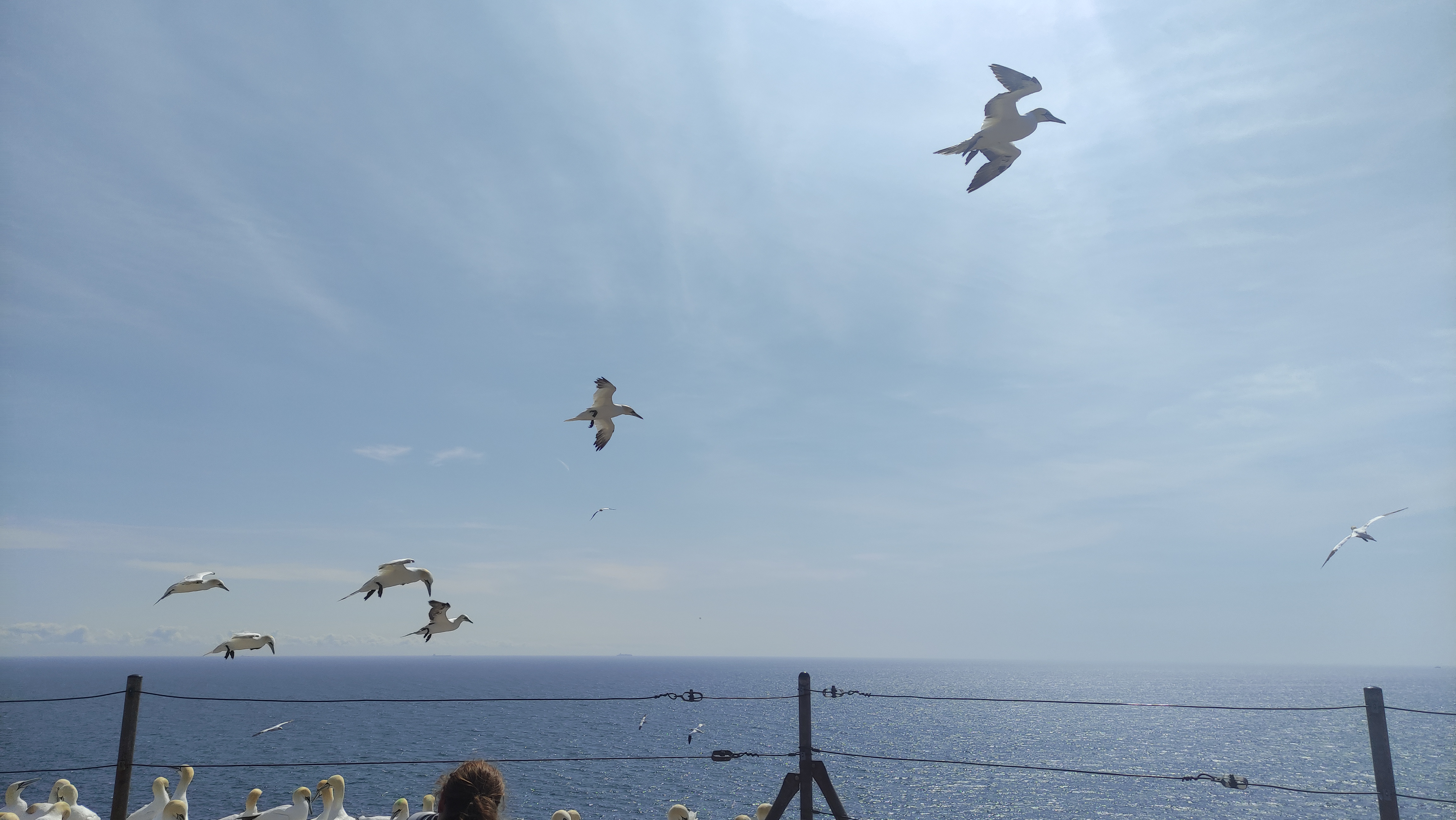
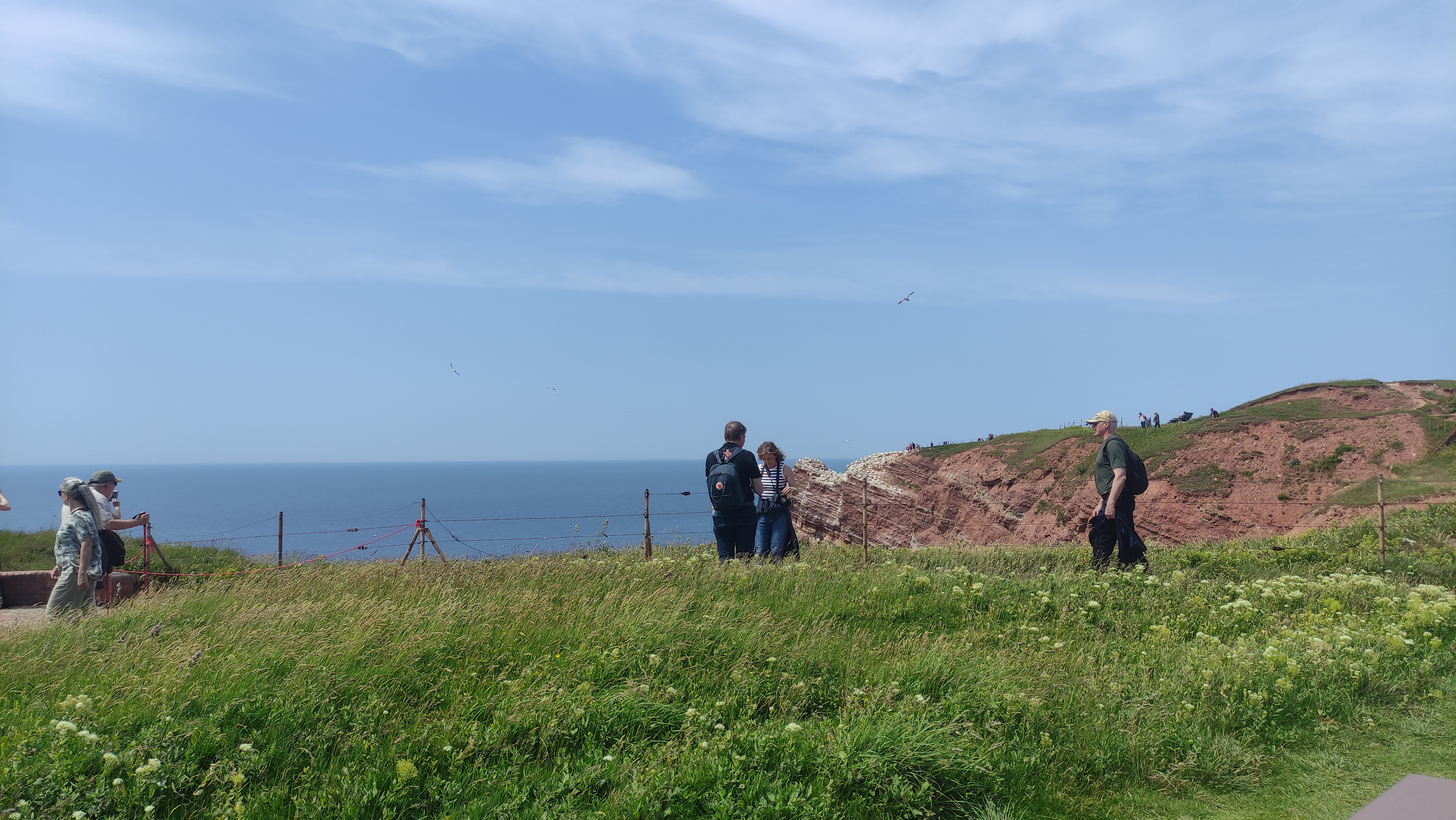
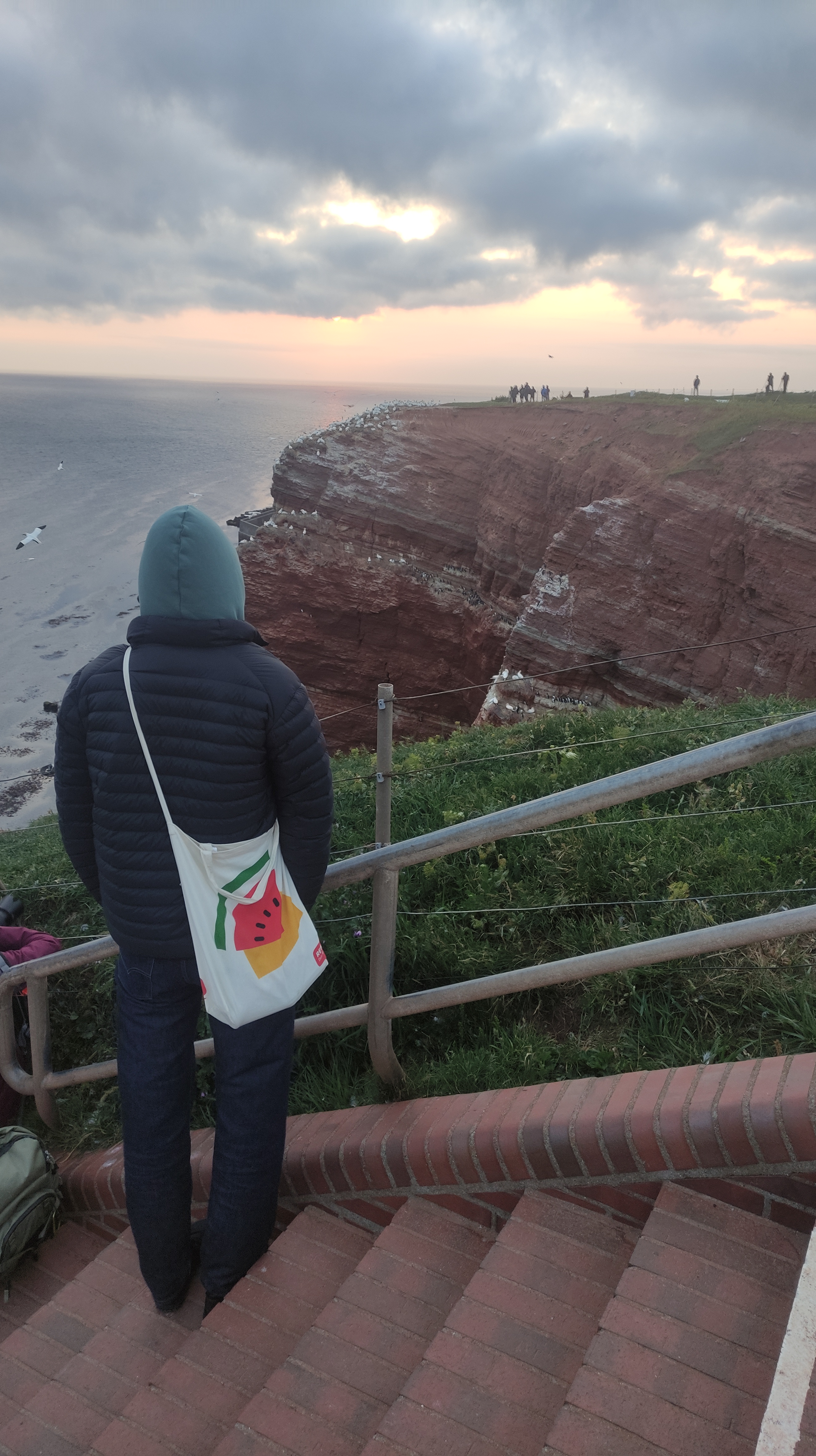
Aside from my master thesis, I love birds and in June there are five special kinds of birds visiting the cliffs for breeding: Gannets (dt.: Basstölpel), Guillemots (dt.: Trottellummen), Fulmars (dt.: Eissturmvögel), Razorbills (dt.: Tordalke) and Kittiwakes (dt.: Dreizehenmöwe). From them, I only caught Gannets on camera since you could be right next to them. However, the “main attraction” was the Guillemots since in June the chicks jump off the cliffs (dt.: Lummensprung) to not be fed by the parents anymore. (It’s described in German in the photo from the information sign above.) We only observed it once since you have to wait some time until the chicks gather enough courage to jump. Although for me, the highlight was the sight of the huge number of birds in general flying around, breeding, doing mating dances, etc.

 Jasmin Bölter